
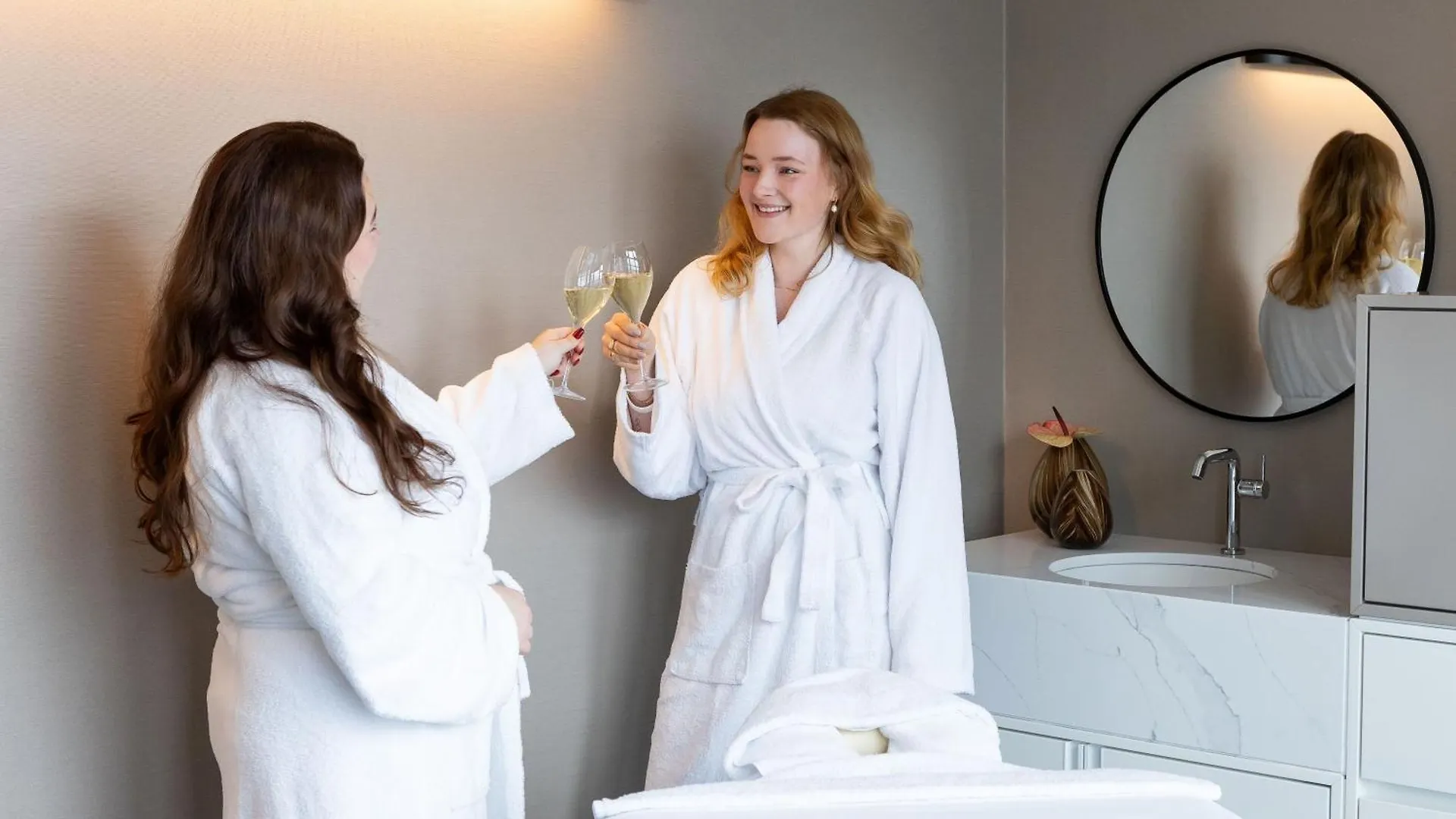
Finding a hotel in Germany that consistently delivers on cleanliness is easier said than done - guest reviews reveal significant variation even among 4- and 5-star properties. This guide focuses on hotels with outstanding cleanliness ratings across different German regions, from the Bavarian capital to the North Sea coast, helping you book with confidence rather than second-guessing photos.
What It's Like Staying in Germany
Germany spans an enormous variety of landscapes - from the Alps and Bavarian lakes in the south to the North Sea islands and Baltic coast in the north, with dense forests, Rhine Valley vineyards, and historic city centres in between. Major cities like Berlin, Munich, and Hamburg attract millions of visitors annually, meaning accommodation in central districts books out weeks in advance during peak season. Outside the urban centres, quieter destinations like Tutzing on Lake Starnberg or the car-free island of Juist offer a genuinely different pace of travel that many visitors overlook entirely.
Germany's public transport network is one of the most comprehensive in Europe, connecting airports, train stations, and city attractions with precision. Cleanliness standards in German hospitality tend to be high by European comparison, but guest reviews still flag meaningful differences between properties - making cleanliness ratings a reliable filter when selecting where to stay.
Pros:
- Exceptional rail connectivity between major cities makes multi-destination trips straightforward without a car
- Wide range of accommodation environments - urban design hotels, lakeside retreats, and remote island escapes all within one country
- German hospitality culture places a genuine emphasis on order and maintenance, reflected in consistently high property upkeep
Cons:
- Central accommodation in Munich and Berlin commands a significant price premium, especially during Oktoberfest or major trade fairs
- Remote destinations like North Sea islands have limited transport links and seasonal availability that requires advance planning
- Tourist-heavy areas around Marienplatz or Potsdamer Platz can feel congested, with street noise affecting lighter sleepers
Why Choose Hotels with High Cleanliness Ratings in Germany
In a country where guest expectations around hygiene and presentation are already above the European average, hotels that earn top cleanliness scores are genuinely outperforming their peers - not simply meeting a baseline. Properties with high cleanliness ratings in Germany typically invest in daily deep-cleaning routines, allergy-free room options, and consistent linen turnover, which becomes especially relevant for guests with sensitivities or those travelling with children. The price difference between a standard 3-star option and a high-cleanliness-rated property in the same city is often around 20%, but the reduction in risk - especially during extended stays - justifies the gap for most travellers.
Across Germany, high cleanliness scores correlate strongly with properties that maintain smaller room inventories or operate under direct management rather than franchise models. Boutique properties and internationally managed 5-star brands both appear in this tier, but for different reasons: boutiques due to hands-on oversight, luxury chains due to standardised protocols and dedicated housekeeping teams.
Main advantages:
- Allergy-free room options are more commonly available in high-cleanliness-rated properties, reducing irritants for sensitive guests
- Verified cleanliness scores from recent guest reviews reduce the risk of arriving at a property that underdelivers on photos
- High-rated properties in Germany tend to maintain consistent standards year-round, not just during inspection periods
Main trade-offs:
- Top-rated cleanliness properties in central Munich and Berlin often come with premium pricing, particularly during trade fair season
- Smaller boutique properties with high ratings may have fewer on-site facilities compared to larger hotel chains
- Remote high-cleanliness options like Juist require more logistical planning to reach, limiting flexibility for last-minute travellers
Practical Booking & Area Strategy for Germany
Germany's regions serve very different travel purposes, and where you stay directly shapes what kind of trip you have. Munich is the strongest base for combining urban sightseeing with Alpine day trips - the Zugspitze, Neuschwanstein Castle, and Lake Starnberg are all reachable by regional rail within 90 minutes. Berlin, by contrast, rewards longer stays: the city's density of museums, neighbourhoods, and cultural landmarks means a minimum of 3 nights is needed to move beyond the surface. For travellers seeking a slower, nature-focused stay, the North Sea island of Juist - reachable only by ferry or small aircraft - offers a genuinely car-free environment that is rare in Western Europe.
Tutzing, on the western shore of Lake Starnberg, is a frequently overlooked base for exploring the Bavarian lake district while remaining around 41 km from Munich's city centre. Transport connections from Tutzing to Munich run regularly via the S-Bahn, making it viable as a quieter alternative to city-centre accommodation. Booking at least 6 weeks ahead is advisable for Munich during Oktoberfest (late September to early October) and for Berlin during the International Film Festival in February, when cleanliness-rated properties at every price point fill rapidly.
Hotels in Berlin & Munich City Centres
These properties sit within or close to major German city centres, offering direct access to landmark attractions and strong public transport links alongside verified high cleanliness scores.
-
1. Grand Hyatt Berlin
Show on map


 Check-infrom 15:00 until 23:59Check-outuntil 12:00
Just a few rooms left at the best rate!
from€ 176
-
2. Eurostars Grand Central
Show on map


 Check-infrom 15:00 until 23:59Check-outuntil 12:00
Just a few rooms left at the best rate!
from€ 108
Hotels in the Bavarian Lake District & North Sea Coast
These properties offer high cleanliness ratings in quieter, nature-focused settings - suited to travellers who want restorative stays outside Germany's major urban centres without sacrificing quality or comfort.
-
3. Boutique Hotel Reschen
Show on map


 Check-infrom 15:00 until 20:00Check-outfrom 07:00 until 10:00
Hurry – almost gone at this price!
from€ 160
-
4. Deichhotel Rose
Show on map


 Check-infrom 15:00 until 22:00Check-outfrom 06:00 until 11:00
Rooms filling fast – secure the best rate!
from€ 104
Smart Travel & Timing Advice for Germany
Germany's peak travel windows are sharply defined and have a direct impact on both hotel availability and pricing. Oktoberfest in Munich (mid-September to early October) causes accommodation prices to spike by around 60% compared to adjacent weeks, with high-cleanliness-rated properties in central Munich often selling out months in advance. Berlin's peak periods are more spread across the year - the International Film Festival in February and summer months from June through August all drive demand. The North Sea islands, including Juist, operate on a more compressed season: July and August represent the busiest and most expensive window, while May, June, and September offer the same landscape with meaningfully lower rates and thinner crowds.
For Bavarian lake district stays around Tutzing, late spring and early autumn offer stable weather for cycling and hiking without the volume of summer visitors. Booking directly with boutique properties at least 8 weeks ahead tends to unlock better room categories, as smaller inventories at high-rated boutique hotels disappear faster than their larger chain counterparts. Last-minute deals are occasionally available in winter months at urban properties in Berlin and Munich, but are unreliable for island and lake district destinations where seasonal closures reduce overall supply.
Frequently Asked Questions
Which of these hotels offers the best value for cleanliness in Germany?
Boutique Hotel Reschen in Tutzing offers the strongest cleanliness-to-price ratio among the four properties. Its allergy-free rooms, private parking, and buffet breakfast are included at a rate significantly below urban Munich or Berlin options, while still sitting within S-Bahn reach of the city.
How far in advance should I book a high cleanliness-rated hotel in Munich?
At least 8 weeks ahead for regular travel periods, and 3 to 4 months ahead if your stay overlaps with Oktoberfest (mid-September to early October) or major trade fairs like Expo Real. Properties like Eurostars Grand Central near Munich Central Station fill quickly during these windows.
Is Juist island accessible enough to justify staying at Deichhotel Rose?
Juist is reachable by ferry from Norddeich Mole or by small aircraft, with travel time around 75 minutes by ferry. The car-free environment makes it a deliberate choice rather than a convenient base - it suits guests prioritising a slow-travel, nature-focused stay over quick access to multiple destinations.
Does the Grand Hyatt Berlin justify its 5-star price for cleanliness-focused travellers?
Yes, if the spa and central location are priorities. The Club Olympus Spa & Fitness is complimentary for all guests, which adds substantial value. For travellers whose primary concern is clean rooms with strong transport access and no extra spend on wellness, Eurostars Grand Central in Munich provides a more price-efficient alternative.
When is the quietest time to visit Germany's North Sea islands?
May and September offer the best balance of manageable weather, lower hotel rates, and significantly thinner crowds compared to July and August. Many island properties reduce availability from November through March, so early autumn is the last reliable window before seasonal slowdown.
Are allergy-free rooms available at these hotels?
Boutique Hotel Reschen in Tutzing explicitly offers allergy-free rooms, making it the strongest option among these four properties for guests with respiratory sensitivities or dust allergies. Grand Hyatt Berlin and Eurostars Grand Central maintain high cleanliness standards but do not specifically advertise allergy-free room categories.
Which hotel has the best transport connections for exploring multiple German cities?
Eurostars Grand Central in Munich offers the most strategic transport position among these properties - 750 metres from Munich Central Station, with direct ICE and InterCity rail connections to Berlin, Frankfurt, and Hamburg. Grand Hyatt Berlin is well-placed within Berlin but less useful as a multi-city hub.


