Thuringia sits at the geographic heart of Germany, bordered by Bavaria, Saxony, and Hesse, making it one of the most underrated base regions for exploring central Europe. Its 3-star hotel scene delivers solid mid-range comfort across forested valleys, historic spa towns, and UNESCO-linked cities - without the price premiums found in larger German states. Whether you're arriving to hike the Rennsteig ridge, visit Wartburg Castle, or trace the footsteps of Bach and Goethe, this guide helps you pick the right property for your trip.
What It's Like Staying in Thuringia
Thuringia is Germany's green heartland - a region defined by dense Thuringian Forest trails, Baroque city centers, and Reformation-era heritage sites that draw culturally motivated travelers rather than mass tourism crowds. Rail connectivity is reliable from Erfurt, the state capital, which sits on the high-speed ICE line between Frankfurt and Berlin, making Thuringia surprisingly accessible even without a car. Towns like Saalfeld, Oberhof, and Eisenach operate at a slower rhythm, where most attractions are within walking distance and traffic congestion is rarely a factor outside summer weekends.
Crowds peak noticeably during the Christmas market season in Erfurt and Gotha, and again in July and August when hikers flood the Thuringian Forest. Visitors who benefit most from basing themselves here are those combining outdoor activity with cultural day trips - the region rewards slow travel. Urban short-break travelers seeking nightlife or fine dining variety may find Thuringia's smaller towns limiting compared to Leipzig or Dresden.
Pros:
- Central German location with ICE rail access via Erfurt - reachable from Frankfurt in around 2 hours
- Far lower hotel rates than comparable western German destinations, with genuine mid-range value in 3-star properties
- UNESCO World Heritage Sites, Reformation landmarks, and Thuringian Forest trails within short driving distance of most hotels
Cons:
- Smaller towns like Oberhof and Neustädt have limited public transport links, making a rental car almost essential
- Dining and entertainment options outside Erfurt and Jena are noticeably sparse after 9 PM
- Shoulder season fog and grey skies in the Thuringian Forest (October-March) can reduce the appeal of scenic stays
Why Choose 3-Star Hotels in Thuringia
Three-star hotels in Thuringia consistently offer what budget guesthouses cannot - private en suite bathrooms, breakfast service, and on-site parking - at price points well below comparable categories in Bavaria or Baden-Württemberg. In towns like Saalfeld and Oberhof, 3-star properties often include extras like fitness centers, saunas, or restaurant dining that would push prices significantly higher in western German cities. Room sizes in Thuringian 3-star hotels tend to be generous by German standards, particularly in converted historic buildings and forest resort properties where space is not at a premium.
The trade-off is consistency: service standards and interior finishes vary considerably between an urban 3-star in Saalfeld and a rural guesthouse near Eisenach. Properties in smaller villages may lack evening reception hours and rely on self-check-in systems. Free private parking is a common feature across this category here - a meaningful practical advantage for travelers driving between Thuringia's dispersed attractions.
Pros:
- Private parking included at virtually all 3-star properties in the region - critical given Thuringia's car-dependent layout outside Erfurt
- Breakfast buffets frequently included or available at low surcharge, with regional Thuringian produce common in forest-area hotels
- Wellness amenities (sauna, fitness, pool) appear in around 3-star resort hotels at prices that represent strong value
Cons:
- Interior design quality varies widely - some 3-star properties in smaller towns show dated furnishings despite solid facilities
- Evening reception hours are not guaranteed, particularly in rural guesthouses and village properties
- WiFi quality can be inconsistent in forest and mountain locations where broadband infrastructure is limited
Practical Booking & Area Strategy for Thuringia
For travelers prioritizing cultural sightseeing, Saalfeld offers the strongest base among smaller Thuringian towns - it sits roughly 47 km from Jena's university city and museums, and gives road access to both the Thuringian Forest and the Saale river valley without committing to a large city hotel. Oberhof, positioned at around 900 meters elevation on the Rennsteig plateau, is the strategic choice for winter ski trips and summer hiking, though it requires a car to reach most attractions. The region's two main airport gateways are Erfurt-Weimar Airport and Leipzig/Halle Airport, both within around 90 minutes of most featured properties.
Booking at least 6 weeks ahead is advisable for summer (July-August) stays in forest-area hotels and for the Christmas market period in November and December, when demand from domestic German travelers spikes sharply. Wartburg Castle near Eisenach, a UNESCO World Heritage Site and one of Thuringia's most visited attractions, draws heavy day-trip traffic on weekends - staying within 30 km gives you the option to visit on a weekday morning before crowds arrive. For Thuringian Forest hiking, the Rennsteig trail network is accessible from both Oberhof and Saalfeld, with marked paths connecting most major ridge points.
Best Value Stays
These properties deliver strong practical utility - free parking, usable amenities, and regional positioning - at accessible price points suited to road-trip travelers and nature-focused visitors.
-
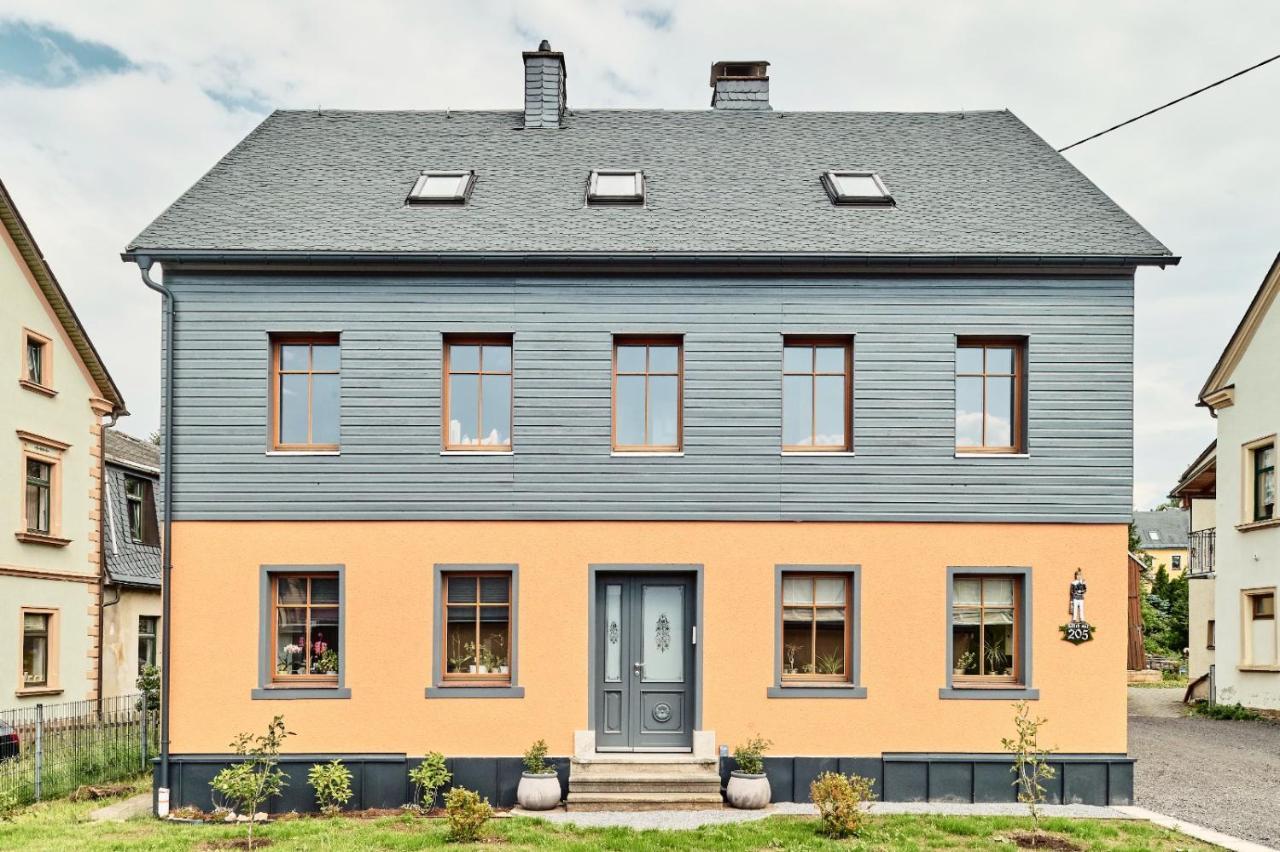
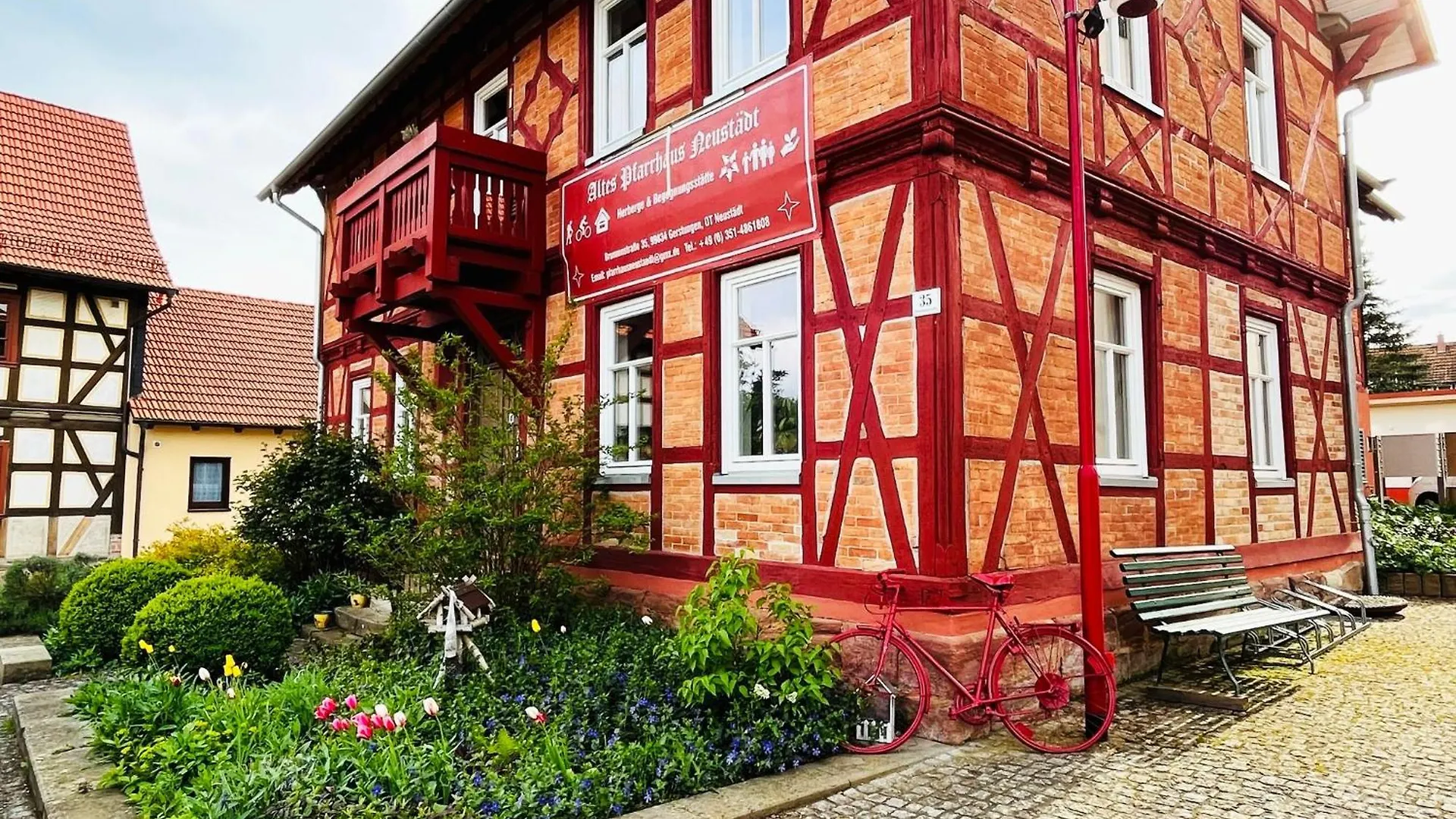
1. Altes Pfarrhaus Neustaedt
Show on map


 Check-infrom 14:00 until 18:00Check-outfrom 08:00 until 10:00
Just a few rooms left at the best rate!
from€ 47
-
2. Hotel & Restaurant Bergfried
Show on map


 Check-infrom 14:00 until 18:00Check-outfrom 07:00 until 11:00
Just a few rooms left at the best rate!
from€ 94
-
3. Hotel Tanne
Show on map


 Check-infrom 14:00 until 20:00Check-outfrom 06:00 until 11:00
Hurry – almost gone at this price!
from€ 113
Best Premium Stay
For travelers wanting a full-facility resort experience in Thuringia's most scenically elevated location, this property combines the widest amenity set in the selection with direct access to winter sports and summer hiking terrain.
-
4. Ahorn Panorama Hotel Oberhof
Show on map


 Check-infrom 15:00 until 23:59Check-outuntil 11:00
Rooms filling fast – secure the best rate!
from€ 81
Smart Travel & Timing Advice for Thuringia
The optimal window for staying in Thuringia is May through June and September through October - shoulder months when forest trails are accessible, accommodation prices sit below summer peaks, and the major cultural sites like Wartburg Castle and Weimar's Goethe sites operate without the weekend queues that build through July and August. Winter in Oberhof runs a different dynamic entirely: the ski season (December-March) drives demand for resort-style properties like AHORN Panorama, so booking at least 8 weeks ahead is advisable for that period. Saalfeld and the surrounding Saale Valley see their busiest weekends in late September during regional harvest and cultural festivals, when guesthouses fill quickly with domestic visitors.
For most Thuringia itineraries, a stay of 3 nights gives enough time to cover one major cultural cluster (Eisenach-Wartburg, or Erfurt-Weimar) plus one outdoor activity day in the forest. Last-minute availability can surface in smaller properties like Altes Pfarrhaus Neustädt outside peak season, but forest-area resort hotels rarely discount significantly. Booking directly through hotel websites occasionally unlocks parking or breakfast inclusions not visible on aggregator platforms - worth checking before confirming.